
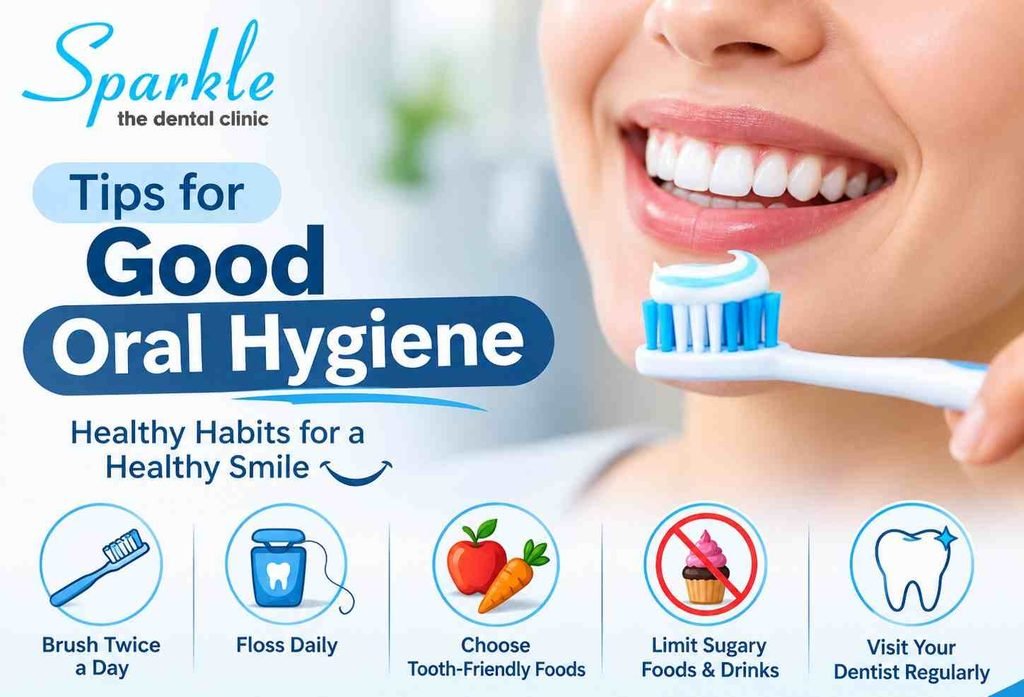
Maintaining good oral hygiene is an important part of keeping your teeth and gums healthy. Everyday habits such as brushing, flossing, cleaning your tongue and choosing the right foods help remove plaque, reduce the risk of dental problems and maintain fresh breath. However, oral hygiene involves more than simply brushing your teeth twice a day. The way you brush, the products you use and how consistently you follow your dental care routine also matter.
Many common dental concerns, including tooth decay, gum inflammation, plaque buildup and bad breath, can be associated with inadequate oral care. Developing healthy habits early and visiting a dentist regularly can help identify potential problems before they become more complicated.
Whether you are looking to improve your existing dental care routine or learn the basics of maintaining healthy teeth, understanding these tips for good oral hygiene can help you make informed decisions about your daily dental care.
What Is Oral Hygiene and Why Is It Important?
Oral hygiene refers to the daily practices used to keep your teeth, gums, tongue and other parts of your mouth clean and healthy. It involves removing food particles, controlling plaque buildup and maintaining a clean oral environment.
Plaque is a sticky layer of bacteria that forms on teeth throughout the day. When it is not removed regularly, it can contribute to tooth decay and gum inflammation. Over time, plaque may harden into tartar, which generally requires professional dental cleaning for removal.
Maintaining good oral hygiene is important for several reasons:
- Helps reduce plaque buildup on teeth.
- Supports healthy gums.
- Reduces the risk of tooth decay and cavities.
- Helps manage bad breath.
- Supports the maintenance of natural teeth.
- Makes it easier to identify changes in your oral health.
A consistent dental care routine, combined with professional dental examinations when needed, plays an important role in maintaining long-term oral health.
10 Essential Tips for Good Oral Hygiene
Good oral hygiene does not require complicated procedures. Following a few simple habits every day can make a meaningful difference to your dental health.
1. Brush Your Teeth Twice a Day
Brushing your teeth twice daily is one of the most important steps in maintaining oral hygiene. It helps remove food particles, plaque and bacteria from the surfaces of your teeth.
Ideally, brush once in the morning and again before going to bed. Nighttime brushing is particularly important because food particles and plaque left on your teeth can remain in your mouth for several hours while you sleep.
Consider these brushing practices:
- Use a soft-bristled toothbrush.
- Choose fluoride toothpaste.
- Brush for approximately two minutes.
- Clean all surfaces of your teeth.
- Replace your toothbrush every three to four months or sooner if the bristles become worn.
Avoid brushing immediately after consuming acidic foods or drinks. Rinsing your mouth with water and waiting around 30 minutes before brushing can help protect softened enamel.
2. Follow the Correct Brushing Technique
Brushing regularly is important, but using the correct technique is equally necessary. Brushing too aggressively can irritate your gums and contribute to enamel wear.
For effective cleaning, hold your toothbrush at approximately a 45-degree angle towards the gumline. Use gentle, short strokes rather than applying excessive pressure.
Make sure you clean:
- The outer surfaces of your teeth.
- The inner surfaces of your teeth.
- The chewing surfaces of your back teeth.
- The areas where your teeth meet your gums.
Do not rush through brushing. Spend enough time cleaning each section of your mouth. An electric toothbrush with a built-in timer can also help maintain a consistent brushing routine.
3. Clean Between Your Teeth Every Day
A toothbrush cannot effectively reach every space between your teeth. Food particles and plaque can collect in these areas, increasing the possibility of cavities and gum problems.
Flossing once a day helps clean these difficult-to-reach spaces. Dental floss can remove debris and plaque from between the teeth and along the gumline.
If you find traditional floss difficult to use, interdental brushes may be another option, depending on the spaces between your teeth.
A few flossing tips include:
- Use a clean section of floss for each tooth.
- Gently guide the floss between your teeth.
- Curve it around each tooth in a C-shape.
- Avoid snapping the floss against your gums.
- Clean between all teeth, including the back teeth.
If your gums bleed regularly while flossing, do not ignore the problem. Consult a dentist to understand the possible cause.
4. Clean Your Tongue Regularly
- Your tongue can collect bacteria, food debris and dead cells, particularly on its surface. This buildup may contribute to unpleasant breath.
- Including tongue cleaning in your daily oral hygiene routine can help remove this debris.
- You can use a tongue cleaner or the tongue-cleaning surface of your toothbrush. Move gently from the back towards the front of your tongue without applying too much pressure.
- Rinse the cleaner after use and keep it clean. Avoid scraping aggressively, as this can irritate the tongue.
Tongue cleaning is a useful addition to brushing and flossing, but it should not replace either practice.
5. Choose Foods That Support Dental Health
Your food choices can influence the health of your teeth and gums. Frequent consumption of sugary foods and drinks can increase the risk of tooth decay because oral bacteria use sugars to produce acids that affect tooth enamel. A balanced diet can support overall oral health.
Consider including:
- Fresh vegetables such as carrots, cucumbers and leafy greens.
- Fruits as part of a balanced diet.
- Dairy products such as milk, cheese and curd, if suitable for your diet.
- Protein-rich foods.
- Foods containing calcium and other essential nutrients.
Try to limit frequent snacking on sweets, chocolates, biscuits and sugary beverages. It is also helpful to reduce how often you consume acidic drinks, as repeated acid exposure can contribute to enamel erosion.
6. Drink Enough Water Throughout the Day
- Water plays an important role in maintaining a healthy mouth. It helps wash away loose food particles and supports saliva production.
- Saliva naturally helps neutralise acids in the mouth and provides minerals that support tooth enamel.
- Develop the habit of drinking water regularly, especially after meals. If you consume sugary or acidic beverages, rinsing your mouth with plain water afterwards can help reduce their effects.
- Choose plain water over soft drinks and sweetened beverages whenever possible.
7. Use Mouthwash When Recommended
- Mouthwash can be a useful addition to your oral hygiene routine, depending on your dental needs.
- Different mouthwashes serve different purposes. Fluoride mouthwash may help strengthen enamel and reduce the risk of cavities, while certain therapeutic mouthwashes may be recommended for specific gum or oral health concerns.
- However, mouthwash should never replace brushing and flossing.
Consider the following points:
- Select a mouthwash based on your dental requirements.
- Follow the instructions on the product.
- Ask your dentist whether a fluoride or therapeutic mouthwash is appropriate.
- Avoid using medicated mouthwash for extended periods without professional advice.
Using the right oral care products can help support your daily dental hygiene routine.
8. Replace Your Toothbrush Regularly
Using a worn-out toothbrush may make cleaning less effective. Over time, toothbrush bristles become frayed and lose their ability to clean teeth properly. Dentists generally recommend replacing a toothbrush every three to four months. However, if the bristles become damaged earlier, replace it sooner.
You should also maintain proper toothbrush hygiene:
- Rinse your toothbrush thoroughly after use.
- Store it upright and allow it to air-dry.
- Avoid keeping it in a closed, damp container for extended periods.
- Do not share your toothbrush with anyone.
These simple practices help maintain a clean toothbrush for everyday use.
9. Avoid Tobacco and Harmful Oral Habits
Tobacco consumption can affect several aspects of oral health. Smoking and chewing tobacco are associated with an increased risk of gum disease, tooth staining, delayed healing and oral cancer. Other habits, such as frequently chewing ice or using your teeth to open packaging, can also damage teeth.
To support better oral health:
- Avoid smoking and chewing tobacco.
- Limit frequent consumption of sugary and acidic beverages.
- Avoid biting hard objects.
- Do not use your teeth as tools.
- Seek professional help if you experience persistent discomfort or changes inside your mouth.
Avoiding tobacco is particularly important for maintaining healthy oral tissues.
10. Schedule Regular Dental Checkups
- Even when your teeth appear healthy, dental problems may develop without noticeable symptoms in their early stages.
- Regular dental examinations help identify concerns such as cavities, gum inflammation, enamel damage and other oral health changes.
- During a dental visit, the dentist may examine your teeth and gums, assess your oral hygiene practices and recommend professional cleaning or additional treatment when necessary.
- The frequency of dental check ups depends on your individual oral health, dental history and risk factors. Your dentist can suggest an appropriate follow-up schedule.
Common Oral Hygiene Mistakes to Avoid
Even people who brush their teeth regularly may unknowingly follow habits that affect their oral health.
Some common mistakes include:
- Brushing too hard: Applying excessive pressure can irritate gums and contribute to enamel wear. Use a soft-bristled toothbrush and gentle movements.
- Skipping nighttime brushing: Going to bed without brushing allows plaque and food debris to remain on your teeth for longer.
- Ignoring flossing: Cleaning only the visible surfaces of your teeth leaves the spaces between them without proper cleaning.
- Using the wrong toothbrush: Hard-bristled toothbrushes may cause unnecessary irritation. Choose a soft-bristled option.
- Consuming sugary snacks frequently: Repeated exposure to sugar increases the risk of tooth decay.
- Ignoring bleeding gums: Regular gum bleeding should not be considered normal. It may indicate gum inflammation or another dental concern.
- Delaying dental appointments: Waiting until tooth pain becomes severe may delay the identification and management of dental problems.
Being aware of these mistakes can help you improve your daily oral care routine.
Daily Oral Hygiene Routine: Morning and Night
Maintaining oral hygiene becomes easier when you follow a consistent routine. You do not need several complicated products to care for your teeth.
Morning Routine
- Brush your teeth for two minutes using fluoride toothpaste.
- Clean your tongue gently.
- Rinse your mouth as recommended for your toothpaste.
- Drink water to maintain hydration.
- Choose balanced breakfast options.
Nighttime Routine
- Clean between your teeth using dental floss or an appropriate interdental brush.
- Brush your teeth for two minutes using fluoride toothpaste.
- Clean your tongue gently.
- Spit out excess toothpaste rather than rinsing immediately with water.
- Avoid eating or drinking anything other than water after brushing.
Following this routine consistently can help control plaque buildup and support healthier teeth and gums.
When Should You Visit a Dentist?
Some dental concerns may initially appear minor but can indicate an underlying problem that requires professional assessment.
You should consider visiting a dentist if you experience:
- Bleeding or swollen gums: Persistent bleeding, redness or swelling may indicate gum inflammation or periodontal disease.
- Persistent bad breath: Bad breath that continues despite regular brushing and tongue cleaning may be related to dental or other health concerns.
- Toothache: Pain in a tooth can be associated with decay, infection, cracks or other dental conditions.
- Tooth sensitivity: Discomfort when consuming hot, cold or sweet foods may indicate enamel wear, exposed dentin or other dental problems.
- Visible cavities or dark spots: Changes in the appearance of your teeth should be examined by a dentist.
- Pain while chewing: Discomfort when biting or chewing may be associated with a damaged tooth, infection or other dental concerns.
- Swelling around the gums: Swelling, especially when accompanied by pain or pus, requires prompt dental evaluation.
Do not wait for severe pain before seeking dental advice. Early assessment can help identify the cause and determine whether treatment is necessary.
When Should You Consult an Endodontist in Kalyani Nagar?
An endodontist is a dental specialist who focuses on conditions affecting the dental pulp and tissues surrounding the roots of teeth. The dental pulp contains nerves, blood vessels and connective tissue. When it becomes inflamed or infected, specialised treatment may be required.
Root canal treatment in kalyani Nagar is one of the procedures performed in endodontic care. It involves removing infected or inflamed pulp tissue, cleaning and shaping the root canal system, and sealing the space to help retain the natural tooth.
You may need an endodontic evaluation if you experience:
- Persistent or severe tooth pain.
- Prolonged sensitivity to hot and cold temperatures.
- Pain while biting or chewing.
- Deep tooth decay affecting the dental pulp.
- Swelling or tenderness around a tooth.
- A cracked or injured tooth.
- Recurring discomfort in a previously treated tooth.
Not every toothache requires root canal treatment. The dentist evaluates the tooth, symptoms and diagnostic findings before recommending an appropriate treatment.
If you are experiencing these symptoms, consulting an Endodontist in Kalyani Nagar can help determine whether the problem involves the dental pulp and what treatment may be suitable.
At Sparkle The Dental Clinic, Kalyani Nagar, Pune, Dr. Manoj Nair has a postgraduate qualification in Conservative Dentistry and Endodontics (MDS). His clinical practice includes endodontic and restorative dental care.
Meet Dr. Manoj Nair and Dr. Shilpa Nair at Sparkle The Dental Clinic
Maintaining good oral hygiene involves both everyday care at home and professional dental guidance when required.
At Sparkle The Dental Clinic, Kalyani Nagar, Pune, Dr. Manoj Nair and Dr. Shilpa Nair Dentist In kalyani Nagar lead the dental care team. The clinic has been providing dental care since 2001 and covers general dentistry, restorative dentistry, cosmetic dentistry, dental implants, orthodontics and children’s dentistry.
Dr. Manoj Nair
Dr. Manoj Nair holds a BDS degree from Nair Hospital Dental College, Mumbai, and an MDS in Conservative Dentistry and Endodontics from Government Dental College and Hospital, Mumbai. His postgraduate training is in a dental speciality concerned with preserving natural teeth, treating dental pulp conditions and restoring damaged teeth. Patients experiencing persistent tooth pain, deep decay or symptoms that may require root canal assessment can seek an appropriate dental evaluation.
Dr. Shilpa Nair
Dr. Shilpa Nair is also associated with the clinical team at Sparkle The Dental Clinic. Together, the doctors are involved in providing dental care across the clinic’s general and specialised dental services. Patients can consult the clinic for dental examinations and guidance on maintaining oral health, with treatment recommendations based on their individual dental requirements.
Frequently Asked Questions About Oral Hygiene
1. How many times should I brush my teeth daily?
You should brush your teeth twice a day, once in the morning and once before bedtime. Use fluoride toothpaste and brush for approximately two minutes each time.
2. Is brushing twice a day enough for good oral hygiene?
Brushing twice daily is essential, but it should be combined with daily flossing or interdental cleaning, tongue cleaning and regular dental examinations. These practices help clean areas that brushing alone may miss.
3. Should I floss before or after brushing?
You can floss before or after brushing, provided you clean between your teeth every day. Flossing helps remove plaque and food particles from areas that a toothbrush cannot reach.
4. What is the best time to brush your teeth?
Brushing in the morning and before going to bed is generally recommended. Nighttime brushing is particularly important because it removes plaque and food debris accumulated throughout the day.
5. Can mouthwash replace brushing?
No. Mouthwash cannot replace brushing or flossing. It can provide additional benefits depending on its ingredients and your oral health requirements.
6. How can I maintain good oral hygiene naturally?
Maintain a balanced diet, drink enough water, limit sugary snacks, avoid tobacco and follow a consistent brushing and flossing routine. However, natural practices do not replace fluoride toothpaste or professional dental care.
7. How often should I visit a dentist for a checkup?
The frequency depends on your dental health, history and individual risk factors. Your dentist can recommend a suitable examination schedule based on your requirements.
8. When should I consult an endodontist?
Consider consulting an endodontist if you have persistent tooth pain, prolonged temperature sensitivity, pain while chewing, deep decay or symptoms suggesting damage to the dental pulp. An examination is necessary to determine the cause and appropriate treatment.
Conclusion
Good oral hygiene begins with small habits practised consistently. Brushing twice a day, cleaning between your teeth, maintaining a balanced diet, drinking enough water and avoiding tobacco can help support healthy teeth and gums. Paying attention to changes such as bleeding gums, persistent bad breath or tooth sensitivity is equally important.
Along with daily dental care, regular professional examinations help identify oral health concerns and determine whether additional treatment is required.
If you are looking for dental care in Kalyani Nagar, Pune, Sparkle The Dental Clinic, with Dr. Manoj Nair and Dr. Shilpa Nair, provides dental consultations and a range of general and specialised dental treatments. Seeking timely dental guidance can help you make informed decisions about maintaining your oral health.

Dr. Manoj Nair (Endodontist & Implantologist)

Dr. Shilpa Nair (Inman Certified Dental Surgeon)
Dr. Shilpa Nair completed her graduation from Nair Hospital Dental College, Mumbai in 1997. She gained clinical experience under experienced private dental practitioners before establishing Sparkle Dental Clinic in Kalyani Nagar.
Her clinical approach places importance on hygiene, patient care and keeping up with developments in dentistry. She is also certified in Inman Aligner from the UK, supporting the clinic’s orthodontic and cosmetic treatment offerings.
Qualifications
- BDS, Nair Hospital Dental College, Mumbai
- Inman Certified Dental Surgeon
- Inman Aligner certification from the UK