
Tooth Extraction Treatment in Kalyani Nagar
What Is Tooth Extraction Treatment?
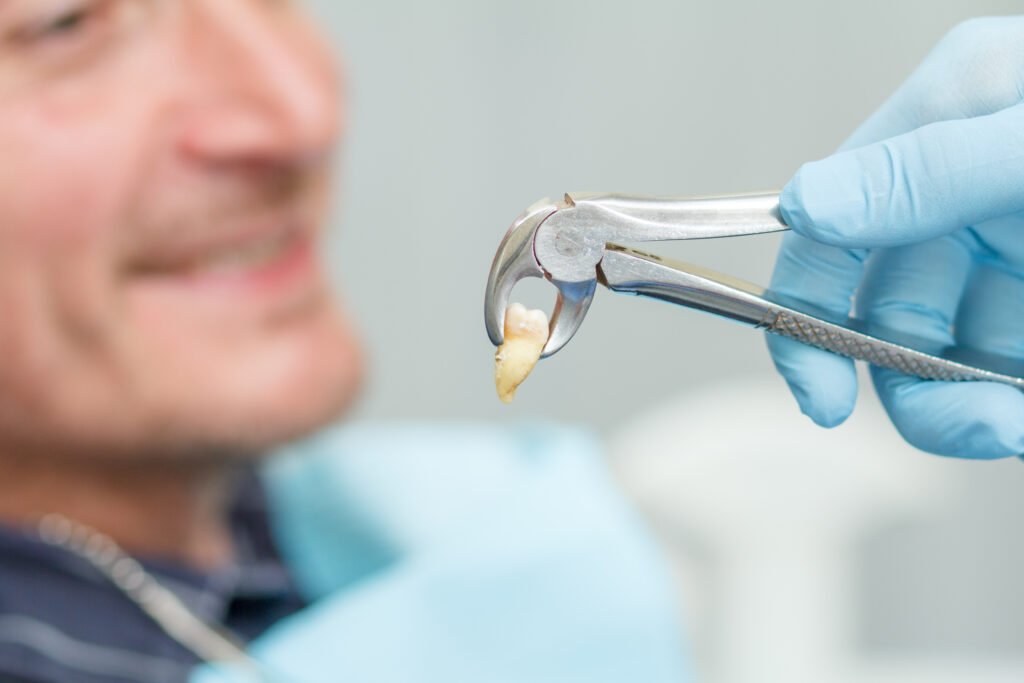
Tooth extraction treatment in Kalyani Nagar removes a tooth that is too damaged, infected or crowded to be saved, using a simple or surgical procedure depending on the tooth’s position. Dr. Manoj Nair and Dr. Shilpa Nair perform extractions at Sparkle The Dental Clinic, Kalyani Nagar.
Extraction is not the first option for a damaged or infected tooth. Root canal treatment, fillings and other restorative options are considered first wherever the tooth can realistically be saved. Extraction becomes the right choice when too little healthy tooth structure remains, when the tooth is fractured below the gumline or when it is impacted and cannot erupt normally.
Who Is a Good Candidate for Clear Aligner Treatment
Patients with mild to moderate crowding limited to the front teeth
Patients with mild protrusion of the front teeth
Patients with a generally normal bite, where back-teeth alignment and jaw relationship are not part of the concern
Patients wanting a faster, more contained treatment than full orthodontic correction, for a specific front-teeth concern
When Is Tooth Extraction Necessary?
A tooth decayed beyond repair, where a filling or crown would not hold
Advanced gum disease that has loosened the tooth beyond saving
An impacted wisdom tooth that cannot erupt properly and causes pain or crowding
Severe overcrowding that needs to be relieved before orthodontic treatment
A fractured tooth broken below the gumline, beyond what a crown can restore
An infection that cannot be resolved through root canal treatment alone
Types of Tooth Extraction
Simple extraction
Used for a visible tooth above the gumline, removed with local anaesthesia using instruments that loosen and lift the tooth
Surgical extraction
Used when a tooth is impacted, broken at the gumline or has not fully erupted, requiring a small incision to access and remove it
Signs You May Need a Tooth Extraction
Persistent pain in a tooth that has already had other treatment attempted
Visible looseness in a tooth, especially alongside gum recession
Swelling or infection around a tooth that keeps recurring
A tooth that has cracked at or below the gumline
Crowding or misalignment flagged during an orthodontic consultation
A wisdom tooth causing pain, swelling or pressure on neighbouring teeth
Wisdom Tooth Extraction in Kalyani Nagar
Wisdom teeth, the last molars to erupt, are one of the most common reasons for a surgical extraction. They often lack enough room to erupt normally, which can leave them impacted at an angle against the neighbouring tooth or only partially through the gum.
Partial eruption creates a flap of gum tissue that traps food and bacteria, leading to recurring infection
Angled impaction can push against and damage the neighbouring molar over time
Full impaction, where the tooth stays fully below the gumline, is sometimes left alone and monitored with periodic X-rays instead, if it is not causing pain or damage
Not every wisdom tooth needs removal. The decision depends on its position, whether it is causing pain or damage and what an X-ray shows about how it is likely to develop, which is why this is assessed individually rather than recommended as a default.
The Tooth Extraction Procedure at Sparkle The Dental Clinic
Examination and X-ray
The tooth and surrounding bone are assessed to plan a simple or surgical approach
Local anaesthesia
The area is numbed before any instrument touches the tooth
Loosening the tooth
The tooth is gently loosened from the surrounding ligament and bone
Removal
The tooth is lifted out, or, for a surgical case, removed in sections if needed to protect the surrounding bone
Site care
The socket is cleaned. Stitches are placed if the surgical approach required them
Post-procedure instructions
Care guidance is given before the patient leaves, along with any prescribed medication
Is Tooth Extraction Painful?
Local anaesthesia keeps the extraction itself comfortable, so most patients feel pressure rather than pain during the procedure. Some soreness and swelling in the first two to three days afterward is normal and usually manageable with the prescribed medication. A surgical extraction typically involves more post-procedure discomfort than a simple one, since more of the surrounding tissue is involved.
Tooth Extraction Aftercare
Bite on the gauze pad as directed to control bleeding in the first hour
Avoid rinsing, spitting forcefully or using a straw for the first 24 hours
Eat soft, cool foods for the first day or two, avoiding the extraction site while chewing
Avoid smoking during healing, since it significantly slows recovery
Continue brushing other teeth normally, avoiding the extraction site directly for the first couple of days
Take prescribed medication as directed and contact the clinic if pain or swelling worsens instead of improving
Preventing Dry Socket
Dry socket happens when the blood clot protecting the extraction site is dislodged or dissolves before the area has healed, exposing the bone and nerve underneath. It is uncomfortable but preventable in most cases.
Avoid using a straw for at least three to four days
Avoid smoking or vaping, which is one of the strongest risk factors
Avoid vigorous rinsing or spitting on the day of the procedure
Follow the soft-food guidance rather than chewing near the extraction site early on
Contact the clinic if pain increases sharply two to three days after the procedure, rather than easing as expected
What Happens After a Tooth Is Extracted?
An extracted tooth leaves a gap that can affect chewing and, over time, allow neighbouring teeth to shift. Replacement options include a dental implant, a bridge or a removable denture. The right choice depends on the location of the gap, the condition of neighbouring teeth and the patient’s preference. This is usually discussed as part of the extraction consultation rather than left for a separate visit later.
A dental implant is often the option that best preserves the surrounding bone, since it replaces the tooth root itself rather than only the visible crown. It is not placed immediately in every case. The socket typically needs a healing period first, which the clinic plans for during the initial consultation rather than treating implant placement as an afterthought once the extraction is already done.
Tooth Extraction vs Root Canal Treatment
Root canal treatment can save a tooth that would otherwise need extraction in many cases, which is why it is considered first wherever the tooth structure allows it. Extraction becomes necessary when too little healthy tooth remains to support a filling or crown afterward or when the fracture or infection has gone beyond what a root canal can resolve. Patients weighing this choice can find a full comparison on the Root Canal Treatment page.
Why Choose Sparkle The Dental Clinic for Tooth Extraction in Kalyani Nagar?
Dr. Manoj Nair is an Endodontist and Implantologist with 26 years of experience, which matters specifically for extraction cases where a dental implant may follow. On Practo, 97 percent of 150 reviewing patients recommend his care. Dr. Shilpa Nair, an Inman Certified Dental Surgeon, has practised alongside him in Kalyani Nagar since founding Sparkle The Dental Clinic in 2001. Together, the doctors have treated more than 2,500 patients over 30 years of combined clinical experience.
Because the same clinic handles both extraction and implant placement when needed, a patient does not need to find a second specialist to plan tooth replacement after extraction.
FAQs
Frequently Asked Questions
Local anaesthesia keeps the extraction itself comfortable. Some soreness for a few days afterward is normal and usually managed with the prescribed medication.
Initial healing takes about a week for a simple extraction, though complete bone and gum healing takes several weeks. A surgical extraction may take a little longer to feel fully comfortable.
No. Root canal treatment works when enough healthy tooth structure remains to support a restoration afterward. Extraction is the right choice once that is no longer the case.
It depends on the location and the patient’s chewing and alignment needs. This is discussed during the extraction consultation, since planning early keeps replacement options open.
Dry socket occurs when the healing blood clot at the extraction site is lost too early. Following aftercare instructions, particularly around smoking and using a straw, significantly reduces the risk.
Wisdom teeth are more likely to need a surgical extraction, since they are often impacted or have not fully erupted, but the underlying procedure follows the same principles.
Book an Appointment With Dr. Manoj Nair – Dentist in Kalyani Nagar
Looking for personalized dental care in Kalyani Nagar? Dr. Manoj Nair at Sparkle Dental Clinic offers dental care backed by postgraduate education in Conservative Dentistry and Endodontics, clinical experience, academic teaching experience and ongoing professional development.
Whether you are seeking an evaluation for a dental concern, endodontic care, implant-related consultation or preventive dental guidance, a consultation can help determine the appropriate treatment approach for your individual needs.