
Pediatric Dentistry Treatment in Kalyani Nagar
What Is Pediatric Dentistry?
Pediatric dentistry treatment in Kalyani Nagar covers dental care for infants, children and teenagers, from first check-ups and cavity prevention to treating baby teeth and monitoring early orthodontic issues. Dr. Manoj Nair and Dr. Shilpa Nair provide pediatric dental care at Sparkle The Dental Clinic, Kalyani Nagar.
Children’s dental needs differ from adults’ in several practical ways: baby teeth have a different structure, cavities can progress faster in them and young patients often need a more patient, reassuring approach to feel comfortable in the chair. Pediatric dental care addresses both the clinical differences and the comfort side together.
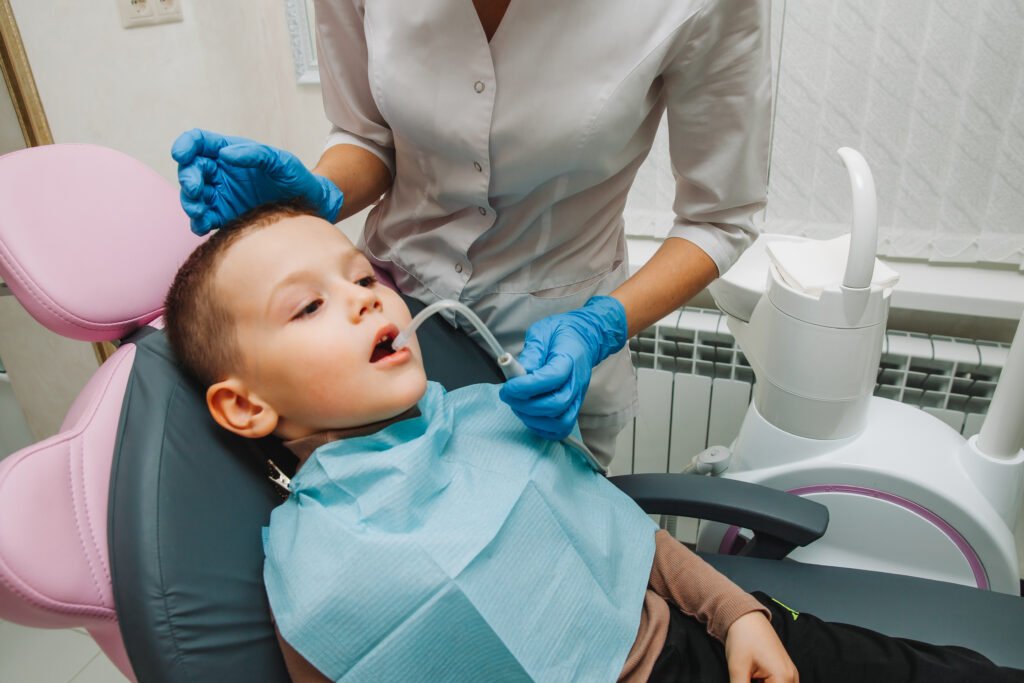
When Should a Child's First Dental Visit Happen?
The general guideline is by the child’s first birthday or within six months of the first tooth erupting, whichever comes first. This is earlier than many parents expect. The goal at this stage is less about treatment and more about checking early development and giving parents guidance on cleaning a baby’s first teeth. Starting early also helps a child become familiar with the dental chair before any treatment is ever needed, which makes later visits easier. Waiting until a problem appears often means a child’s first experience of the dentist is tied to discomfort, which makes building comfort afterward harder than if the relationship started earlier and calmer.
Baby Teeth vs Permanent Teeth
Baby teeth hold space for the permanent teeth developing underneath them; losing a baby tooth too early can allow neighbouring teeth to shift and crowd the space meant for its permanent replacement
Baby teeth have thinner enamel and dentin than permanent teeth, which means cavities can reach the nerve faster if left untreated
Baby teeth support speech development and chewing during the years permanent teeth have not yet erupted
A cavity in a baby tooth still needs treatment, even though the tooth will eventually fall out, since untreated decay can cause pain and infection before that happens and can spread to the permanent tooth forming beneath it
Common Pediatric Dental Concerns
Early childhood cavities, often linked to prolonged bottle or sippy cup use with sugary liquids, especially overnight
Thumb-sucking or pacifier use beyond the age where it starts affecting how the teeth or jaw develop
Teething discomfort in infants, which is a normal developmental stage rather than a dental problem to treat
Early signs of crowding or bite issues, which are easier to monitor and address early than after all permanent teeth have erupted
Anxiety about dental visits, which is common and addressed through a patient, unhurried approach rather than rushing a nervous child through treatment
Preventive Care for Children
Fluoride application to strengthen developing enamel against decay
Dental sealants on the back molars, where deep grooves make brushing alone less effective at preventing cavities
Guidance on brushing technique appropriate to the child’s age, since young children need help brushing effectively well past when they can hold a toothbrush themselves
Dietary guidance, particularly around frequency of sugary snacks and drinks rather than sugar alone
Regular check-ups every six months, to catch early decay while it is still simple to treat
Dental Trauma in Children
A knocked-out permanent tooth is a time-sensitive emergency; keep it moist (in milk or the child’s saliva if possible) and seek care immediately, since re-implantation works best within a short window
A knocked-out baby tooth is generally not re-implanted, since doing so can damage the permanent tooth developing underneath, but the clinic should still be seen promptly to check for other injury
A chipped tooth, baby or permanent, should be assessed rather than left, since even a minor-looking chip can affect the nerve
Any injury to the mouth, lips or jaw after a fall or impact is worth a dental check even if no tooth appears visibly damaged
Making Dental Visits Comfortable for Children
Short, age-appropriate explanations of what is happening before it happens, rather than surprising a child mid-procedure
A patient pace, allowing extra time for a nervous child rather than rushing through the appointment
Positive reinforcement for cooperation, building a good association with dental visits that carries into future appointments
Parents present for younger children, since a familiar presence in the room reduces anxiety for most young patients
Age-appropriate treatment choices, discussed with parents rather than assumed or decided unilaterally
Common Pediatric Dental Myths
“Baby teeth don’t matter since they fall out anyway.” They hold space for permanent teeth and support chewing and speech for years before that happens; decay in them still needs treatment.
“Waiting until age three or so for the first visit is fine.” Starting by the first birthday catches early issues sooner and helps the child build comfort with dental visits before any treatment is needed.
“Fluoride is only necessary if a child already has cavities.” Fluoride strengthens developing enamel as a preventive measure, most useful before decay starts rather than only after.
“A knocked-out tooth can always be saved by rushing to the dentist.” This is true for permanent teeth within a short window, but a knocked-out baby tooth is generally not re-implanted regardless of how quickly a child is seen.
Signs Your Child May Need to See a Dentist Sooner
Complaining of tooth pain or sensitivity to hot, cold or sweet foods
Visible dark spots or holes on any tooth
Swelling in the face or gums
A tooth that looks unusually discoloured after an injury, even without visible pain
Persistent mouth breathing or snoring, which can sometimes relate to airway or bite development worth mentioning at a check-up
The Pediatric Dental Visit Process at Sparkle The Dental Clinic
Introduction and comfort check
Especially for a first visit, time is taken to help the child feel at ease before any examination begins
Examination
Teeth, gums and bite are checked, with X-rays only when genuinely needed rather than routinely for very young children
Cleaning and preventive treatment
Professional cleaning, fluoride or sealants applied as appropriate for age and risk
Discussion with parents
Findings, home care guidance and any treatment needed are explained clearly before the visit ends
Scheduling the next visit
Typically six months out, sooner if a specific concern needs earlier follow-up
Why Choose Sparkle The Dental Clinic for Pediatric Dentistry in Kalyani Nagar?
Dr. Manoj Nair and Dr. Shilpa Nair bring general dental experience to treating children, with the patience and adapted approach young patients need, rather than a rushed adult-style appointment scaled down. On Practo, 97 percent of 150 reviewing patients recommend Dr. Manoj Nair’s care. Because the clinic treats the whole family, a child’s dental history stays with the same practice as they grow, rather than needing to transition to a new provider at a specific age. This continuity means growth patterns, past treatment and any recurring concerns are already on file rather than needing to be re-explained at each new provider.
FAQs
Frequently Asked Questions
By their first birthday or within six months of their first tooth appearing, whichever comes first. This first visit is mainly a check and guidance session rather than treatment, so there is no need to delay it out of concern that it will involve anything invasive.
Yes. An untreated cavity in a baby tooth can cause pain and infection well before the tooth is due to fall out naturally. It can also affect the permanent tooth developing underneath.
A patient, unhurried approach and short, honest explanations before each step generally help more than rushing through the appointment. Bringing a comfort item and staying in the room for younger children also helps.
It is normal in infants and most toddlers. It becomes worth discussing at a check-up if it continues well past the toddler years, particularly once permanent teeth are starting to come in, since it can then start affecting tooth or jaw alignment. Most children stop the habit on their own. Gentle encouragement rather than pressure tends to work better than trying to force an early stop.
Cost depends on what care your child needs, from a routine check-up to specific treatment. This is discussed during the consultation once an examination is complete, with any recommended treatment explained to parents before it proceeds.
Book an Appointment With Dr. Manoj Nair – Dentist in Kalyani Nagar
Looking for personalized dental care in Kalyani Nagar? Dr. Manoj Nair at Sparkle Dental Clinic offers dental care backed by postgraduate education in Conservative Dentistry and Endodontics, clinical experience, academic teaching experience and ongoing professional development.
Whether you are seeking an evaluation for a dental concern, endodontic care, implant-related consultation or preventive dental guidance, a consultation can help determine the appropriate treatment approach for your individual needs.